
 |
Modern Man: InformationWhat information does the modern man create and consume? Is the freedom in media just a myth or a reality? The topic is discussed by media expert Samvel Martirosyan and producer of Media.am website, Media Initiatives Center, GeghamVardanyan. |
 |
Totalitarian System: Religion and ChurchWhat has the univocal negative attitude of totalitarian system to do with religion and Church? In psot-totatlitarian period, what rehabilitation task does the Church define for itself, how does it attempt to reform? The topic is discussed by Armenologist, publicist Nazeni Gharibyan and the priest of the Mother See Rev. Father Shahe Ananian.
|
 |
Totalitarian System and Man: Language and LiteratureHow is the language of the literary text formed in totalitarian system, how does the overall process of language development advance in the conditions of totalitarian regime and during post- totalitarian period? The topic is discussed by poet Armen Davtyan and essayist Hovhannes Yeranyan.The conversation is hosted by Anna Sargsyan. |
 |
Totalitarian System and Man: Text-book and EducationWhat role does the text-book plan in the totalitarian system, what principles is it based on? Why is it presently the education without text-books so attractive? The topic is discussed by linguist Davit Gyurjinyan and political analyst Nvard Manasyan.The conversation is hosted by Anna Sargsyan. |
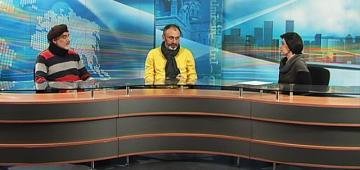 |
Totalitarian System and Man: Literature and CensorshipLiterature is indivisible from censorship as we speak about totalitarianism.What role does the writer and literature have in totalitar system, how is the literary text edited? The topic is discussed by essayist, playwright Vahram Martirosyan and Executive Director of Antares Holding Armen Martirosyan.
|
 |
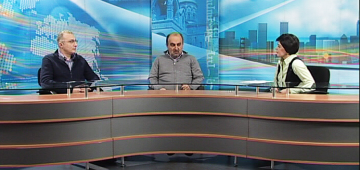
Totalitarian System and Man: History Text-bookIt’s a well-known fact that the text-book of history is the best tool in making the ideology of system to get where its should be. How is history read in totalitarian system, how is it edited and for the sake of what? The topic is discussed by historians Petros Hovhannisyan and Artak Gnuni. The conversation is hosted by Anna Sargsyan. |
 |
Totalitarian System and Man: National IdentityNational in form, and socialistic in content: this was how the system and the national would relate to each other, that was forced by the soviet totalitarian system. How did our national identity transform in the totalitarian and post-totalitarian period? The topic is discussed by ethnologist Mkhitar Gabrielyan and Haykak Arshamyan, expert for the Regional Studies Center.
|
 |
Totalitarian System and the Man: Samizdat or Underground PressAt present days, when even the underaged owns his/her own media, samizdat or underground press is even harder to imagine. What of a loophole that was, through which human thought and will were capable of breaking through the wall of violation in the totalitarian system? The topic is discussed by Azat Arshakyan, a political prisoner of Soviet times and journalist Arman Galoyan. The conversation is hosted by Anna Sargsyan. |
 |
Totalitarian System and the Man: MediaMedia is supposed to inform, ensure entertainment and education. This is the classic definition of media functions today. What is the function of media in totalitarian system? Why and how should media become whole and sound again in post-totalitarian country? The topic is discussed by the journalist Mesrop Harutyunyan and editor-in-chief of Analyticon journal Gegham Baghdasaryan. |
 |
Literature as Social Solidarity FactorTranslator Samvel Mkrtchyan and writer, translator Hakob Movses analyze the topic of literature as a factor of social solidarity, human self-cognition and self-cleansing. Is our culture today capable of creating and sustaining statehood? The conversation is hosted by Anna Sargsyan. |
 |
Totalitarian System and the Man: EducationWhat does education serve for in the totalitarian system, how can we cure the education system in post-totalitarian period to make it healthy? The topic is discussed by Lusine Kharatyan, Country Director of German DVV International and sociologist Satenik Mkrtchyan. The conversation is hosted by Anna Sargsyan. |
 |
Totalitarian System and the Man: ArchitectureIt is said that small is beautiful, while big – noble. Is it possible to consider this as the motto of architecture of totalitarian system? What were the specifics of area organization in former Soviet Union and fascist Italy? The topic is discussed by art critic, curator Ruben Arevshatyan and architect, city engineer Sarhat Petrosyan. The conversation is hosted by Anna Sargsyan. |